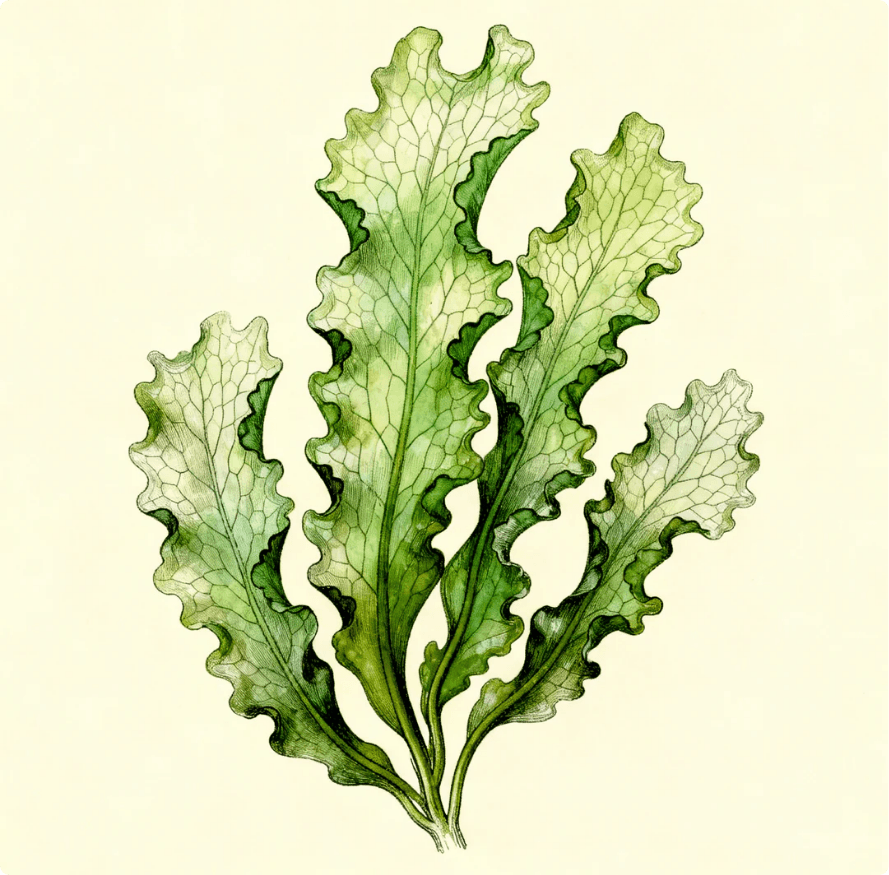
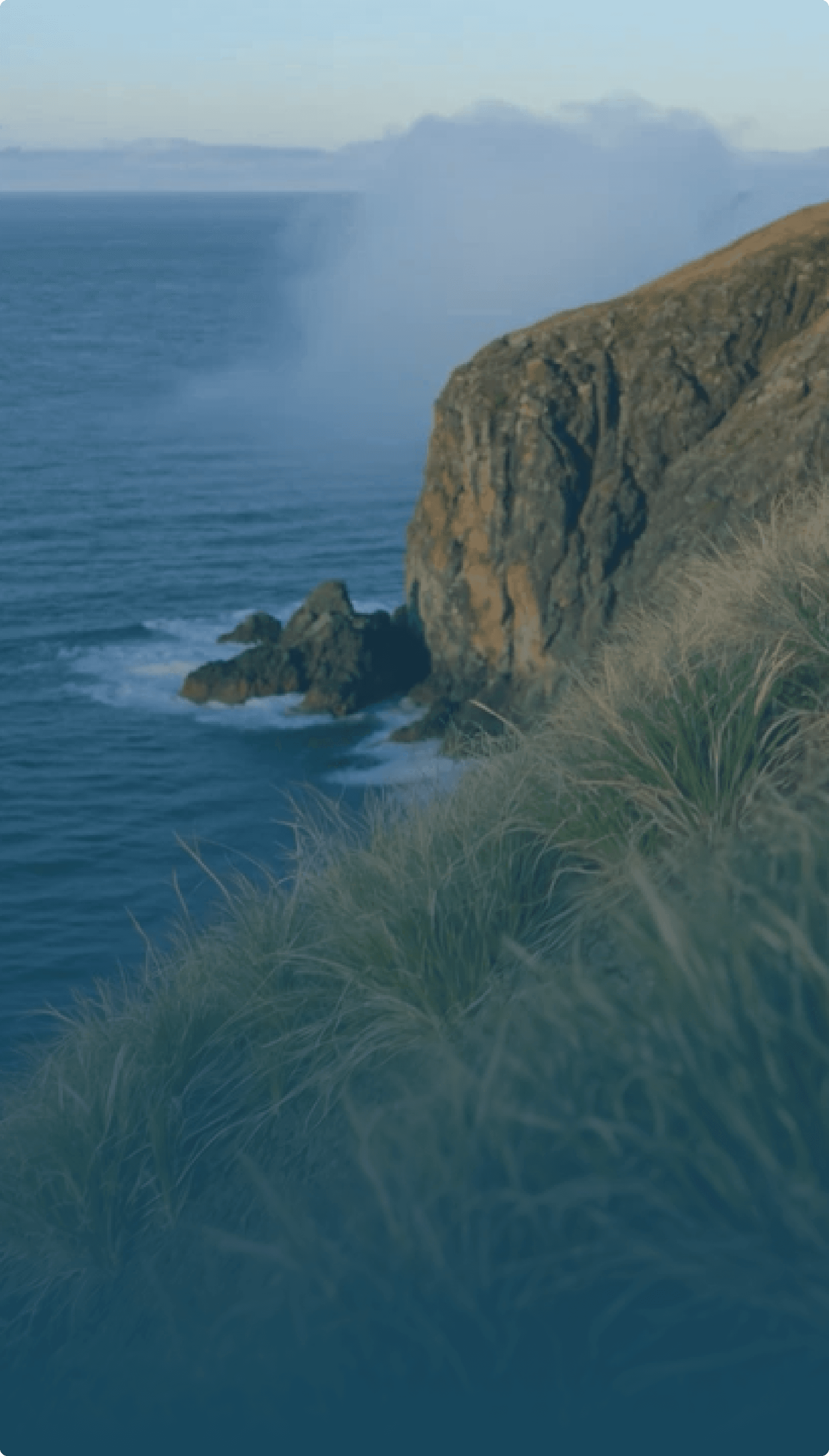
I came back from the coast with a notebook full of half-smudged drawings and a question. We had spent two days hand-harvesting Ulva lactuca with a small co-op above Porthcurno, and the question was about water. How does a thing that lives in the salt and the wind keep itself soft?
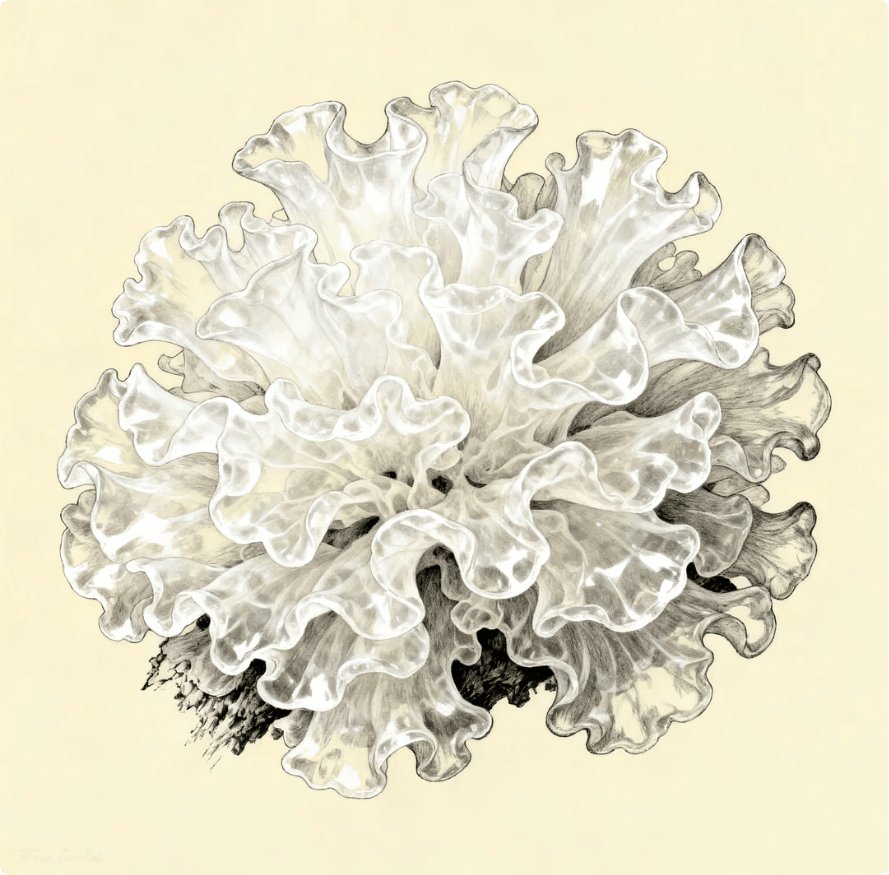
The shorthand answer is polysaccharides. The longer answer involves a translucent fungus that grows nowhere near the sea, in damp temperate woodland, on decaying bark. Tremella fuciformis. The snow mushroom.
What the polysaccharide actually does
The fruiting body of Tremella is mostly water held in a soft hydrogel. The molecule responsible, a glucuronoxylomannan, has the kind of structure that draws water into itself and holds it there against very dry conditions.
In skin terms, this means it sits in the upper layers of the stratum corneum and quietly keeps moisture from leaving. Not a dramatic ingredient — a patient one.
“It is not the only humectant we use. It is the one we trust most when skin has been pushed past its barrier.”
Why pair it with Ulva
Ulva lactuca, a bright green coastal alga, brings a different polysaccharide into the formula: ulvan, a sulphated sugar unique to the genus. Where Tremella draws water in, ulvan helps hold a thin film at the surface. The two work in series rather than competition.
Translating the landscape
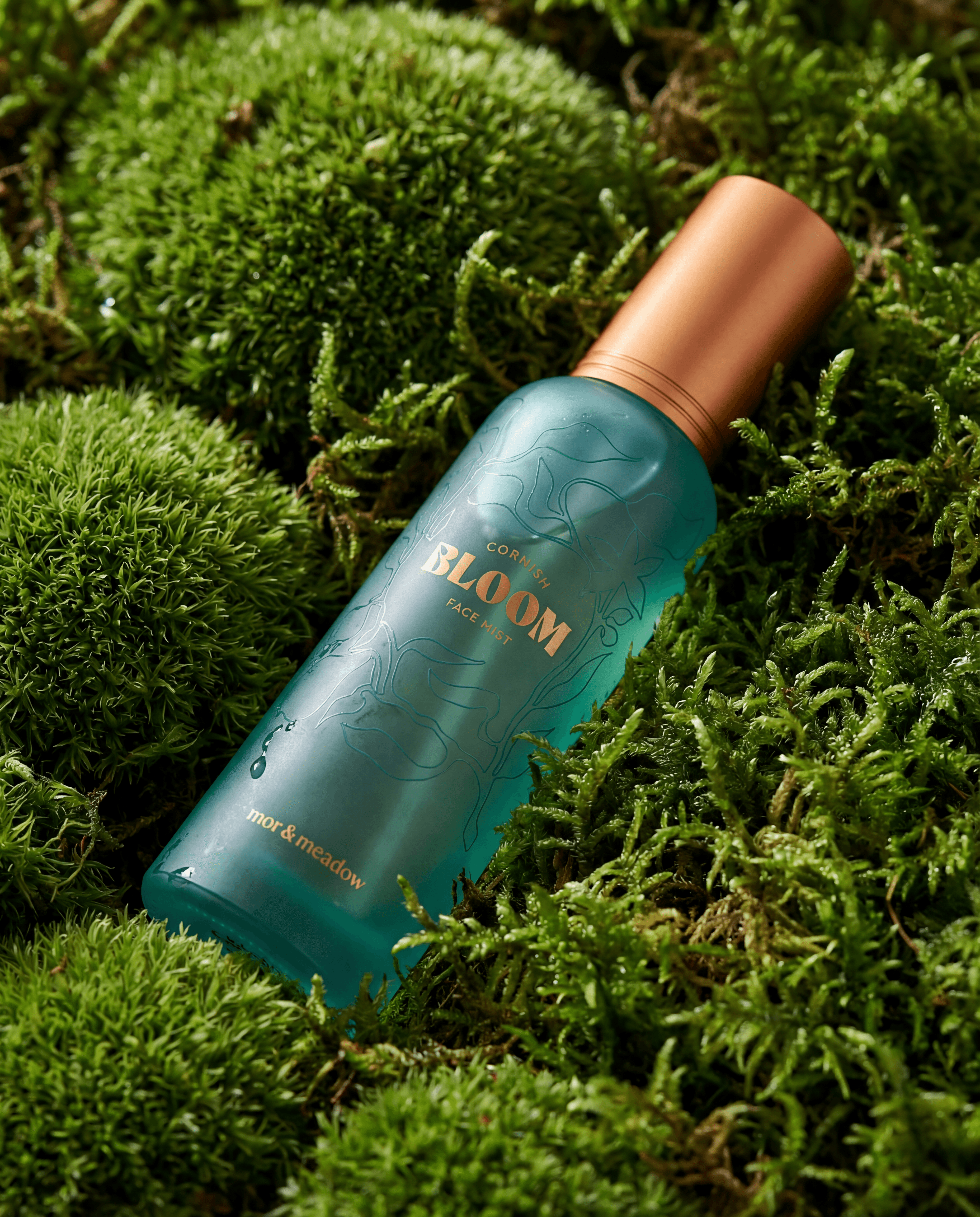
The whole formula is an attempt to translate a landscape into a function. Wind, salt, light. Protective coatings. Barrier. The mushroom and the seaweed are the two ingredients that carry the formula; everything else supports.