





Looking after your skin can be confusing! There are so many products that all do different things. Sometimes you think you have your skincare routine nailed, but then your skin starts showing signs that your skin barrier is damaged!
So what exactly is the skin barrier?

Before you decide if your skin barrier is damaged, you need to understand what it does and why it's important.
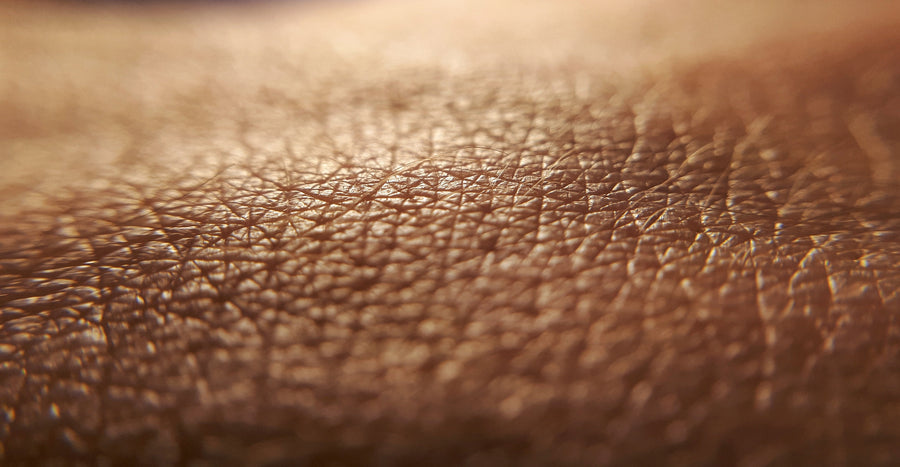
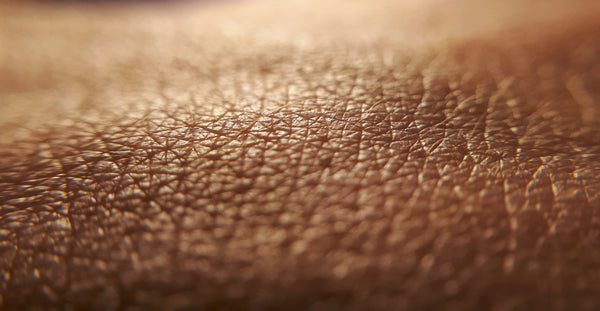
Your skin barrier is the outermost layer of your skin, the Stratum Corneum. Its job is to act as a protective shield, keeping moisture in and irritants and pollutants out.
The skin barrier is made of cells, a lipid matrix of fatty acids, cholesterol and ceramides and it might be useful to think of it like bricks and mortar. Skin cells are the brick and the mortar are the lipids holding them together.
Your skin barrier is under constant daily threat from allergens, irritants, pollutants, cold weather, wind, ageing and UVA and UVB exposure.
Using the wrong skin care products and skin that gets thinner with age can start to compromise your skin barrier.
What are the signs it’s damaged?

1. Redness and sensitivity
When your skin barrier is compromised, external aggressors can penetrate your skin more easily. This can lead to your skin becoming overly sensitive which can lead to irritation. Irritated skin will often look red and blotchy.
2. Dryness
A damaged skin barrier struggles to retain moisture, which means that your skin essentially becomes dehydrated. When the lipid matrix gets disturbed, it struggles to seal in moisture, which can result in your skin having a ‘tight’ feeling. You might be moisturising daily, but if your other products are stripping your skin, then it becomes much harder for moisture to be retained.
3. Rough and uneven skin
Another sign your skin barrier isn’t working as it should is rough, flaky and uneven skin. Your skin becomes flaky and rough because when your skin barrier has been weakened it impacts your skin’s natural exfoliation process. Your skin is struggling to retain water, so the dry flaky skin stays on the surface rather than shedding. This can make your skin look dull and tired.
4. Fine lines are more obvious
When your skin barrier is damaged, fine lines can look more visible, particularly around the eyes, mouth and frown lines. When skin is adequately hydrated it looks plumper and smoother, when it isn’t these fine lines look deeper.
Top tip: UVA and UVB rays along with dehydration of the skin is one of the major reasons skin ages. Make sure you wear SPF every single day, even if its rainy and cloudy!
5. Your skin feels sensitive
If your skin is starting to feel sensitive or perhaps even react to products you’ve used before, it could be a sign that your skin barrier is damaged. You might even notice that unfragranced products still irritate your skin. When the barrier is damaged, your skin isn’t defending itself normally, so your skin becomes much more sensitive to certain ingredients.
6. Hyperpigmentation

Hyperpigmentation is darker and uneven spots on your skin. When the skin barrier is damaged, the skin reacts by ramping up pigmentation production as a defense mechanism. Essentially your skin over produces melanin. When the skin barrier is compromised, skin is more exposed to UV rays which can speed up pigmentation which creates those stubborn dark spots.
7. Skin looks dull
When your skin barrier is healthy, your skin will have a radiance to it.
If your skin looks a bit dull, it’s usually a sign your skin is lacking hydration. Dehydrated skin means dead skin cells start to build up on the skin, giving it a flat and dull appearance.
8. Skin feels uncomfortable
If you’re finding that your skin tingles or stings, particularly when applying skin care products it could be a tell tale sign that your skin barrier is damaged. The loss of those ‘mortar’ like lipids can make your skin feel more sensitive which might mean it stings when applying products or reacts with changes in temperature.
9. Skin breakouts
Skin breakouts can happen for many reasons, sometimes due to hormone fluctuations and sometimes believe it or not due to dehydrated skin! When the skin barrier is damaged, your skin will over compensate with excess oil production. This over production of oil then becomes a breeding ground for blemishes and breakouts.
Often products for breakouts dry already dehydrated skin further, creating a viscous cycle.
So what could be damaging your skin barrier?
So you’ve established that your skin barrier is damaged due to an array of the symptoms mentioned above, but what is actually causing it?
Over exfoliating
Over exfoliating by layering harsh acids or scrubbing the skin can start to damage the stratum corneum, stripping the lipids from the skin faster than your skin can rebuild them. The lipids act as barriers and when these start to get broken down then your skin starts to lose its natural oils. Moisture starts escaping your skin which leads to a feeling of tightness. Layering too many harsh acids can irritate your skin and allow irritants to get in more easily.
Seasonal changes
Cold weather, wind, and lower humidity from central heating or air conditioning can all accelerate transepidermal water loss. In the UK the mixture of going outside in cold temperatures and then being indoors with central heating, creates environmental pressure on the barrier.
Genetics
Unfortunately, certain genetics can mean a predisposition to certain skin conditions like eczema, Psoriasis and rosacea. Having these conditions means that the skin barrier is under constant threat, and will need daily managing so as to keep the skin barrier healthy.
Ageing
As we age, the skin barrier naturally starts to weaken as cell turnover processes become slower. The outer layer of skin becomes thinner and because the skin takes slightly longer to recover, it is more vulnerable to outside irritants. Ageing reduces the amount of ceramides which allow water to stay in, less ceramides mean increased transepidermal water loss, which leads to skin feeling rougher and drier.
Sun exposure from UV rays oxidises the lipids that make up your skin barrier, making the ceramides chain shorter which means microscopic gaps start to appear. That’s why ageing skin often feels rough and dehydrated. The surface structure of the skin has been altered.
Pollution
Pollution weakens the skin barrier by causing oxidative stress. Airborne particles and chemicals create free radicals. Free radicals are essentially unstable molecules that lack a full set of electrons, so they start to ‘steal’ electrons from other cells. UV exposure, cigarette smoke and chemicals all trigger the formation of free radicals.
Stress and bad sleep
When the body experiences psychological stress, it triggers the release of cortisol (the stress hormone). Cortisol has a huge effect on the body and can set off inflammatory triggers in the body. Stress and bad sleep are often closely linked. Our skin does the most of its renewal process when we sleep as this is when cortisol levels are at their lowest. If you're stressed and you're not getting adequate sleep (renewal time), the skin barrier and cellular renewal become compromised, leading to potentially reactive, inflamed, dull, dry or congested skin.
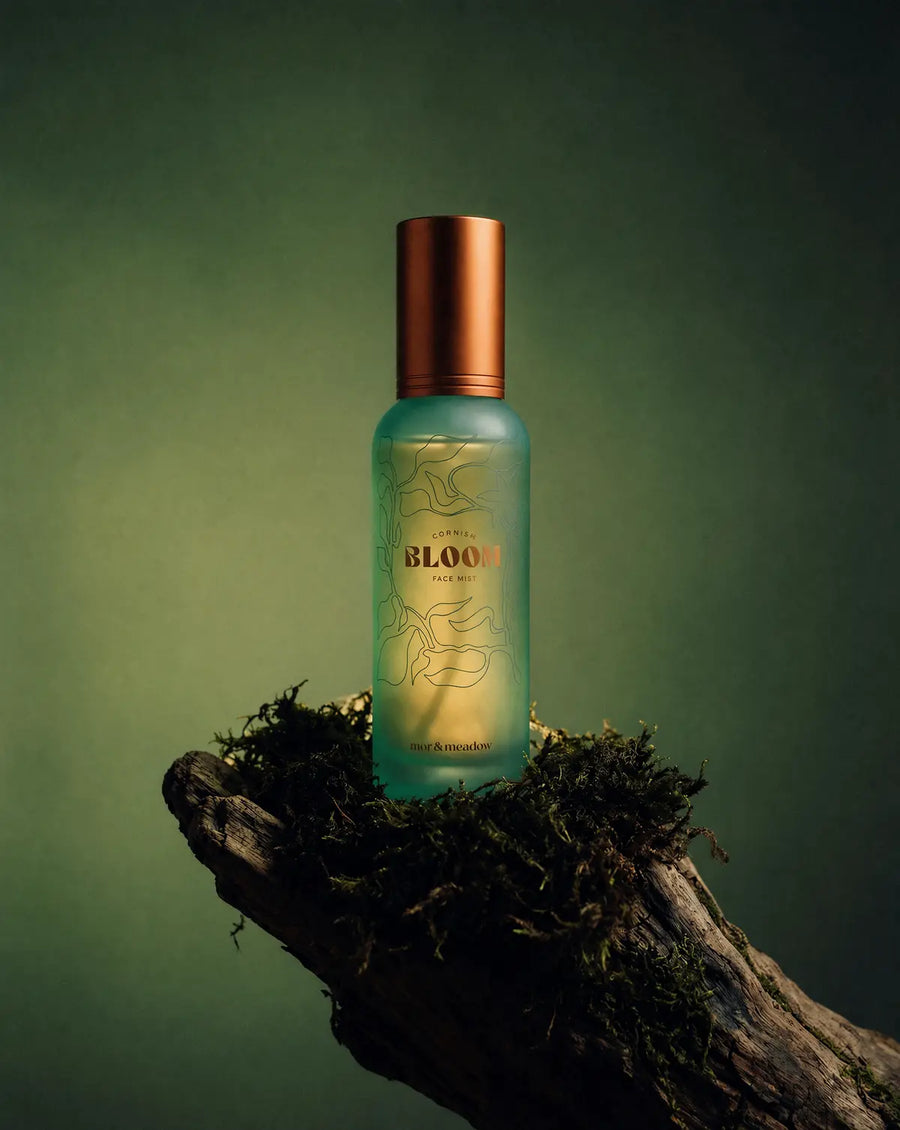
How can Bloom help with skin barrier repair ?
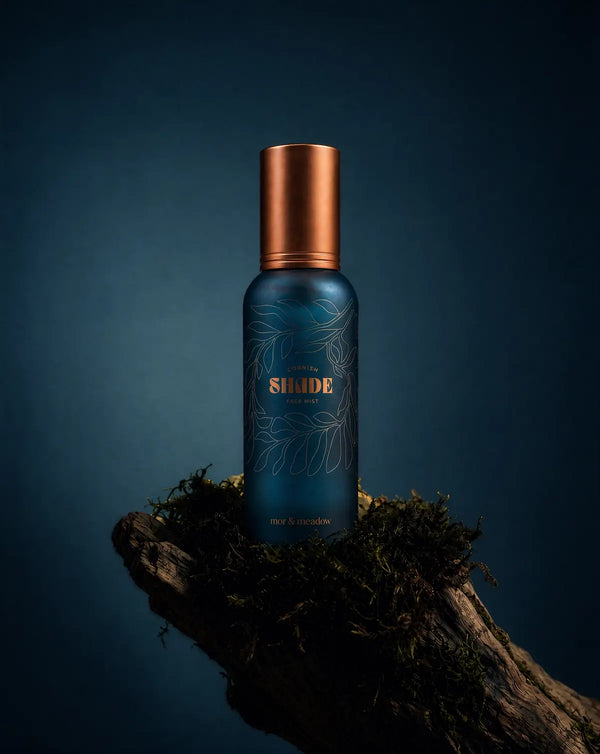
At Mor and Meadow we created our hydrating facial mist Bloom to help strengthen your skin barrier, keep skin hydrated and create lasting resilience.
Key Hydrating ingredient:
Tremella fuciformis (Snow Mushroom) extract
Works in a similar way to hyaluronic acid by binding and keeping water in the upper skin layers, whilst creating a film that slows water escaping.
During clinical testing, it has shown measurable improvements in skin hydration.
Key barrier strengthening ingredients:
Red Algae extract
It is rich in antioxidants which helps to shield skin from everyday pollution, free radicals and environmental stressors. It can also help soothe the skin reducing redness.
Mossceltec No 1
A moss derived complex helps support skin comfort and build barrier integrity which has been clinically proven to support skin resilience.
You can find more detail about how Bloom can help your skin barrier here.
At Mor & Meadow, we study how plants, fungi, seaweeds and microorganisms adapt to challenging conditions, then translate those adaptive strategies into skincare designed to support the skin’s natural resilience. Our hydrating face mists are inspired by the ever changing Cornish landscape.