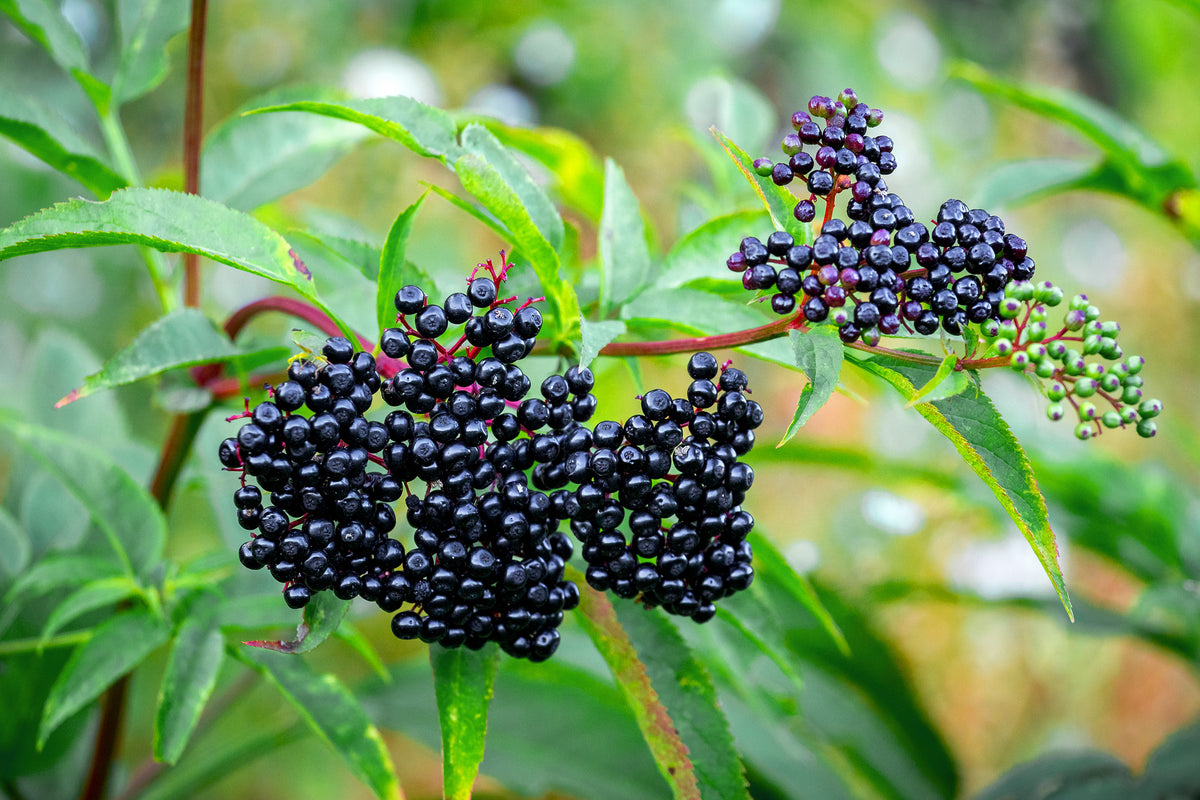
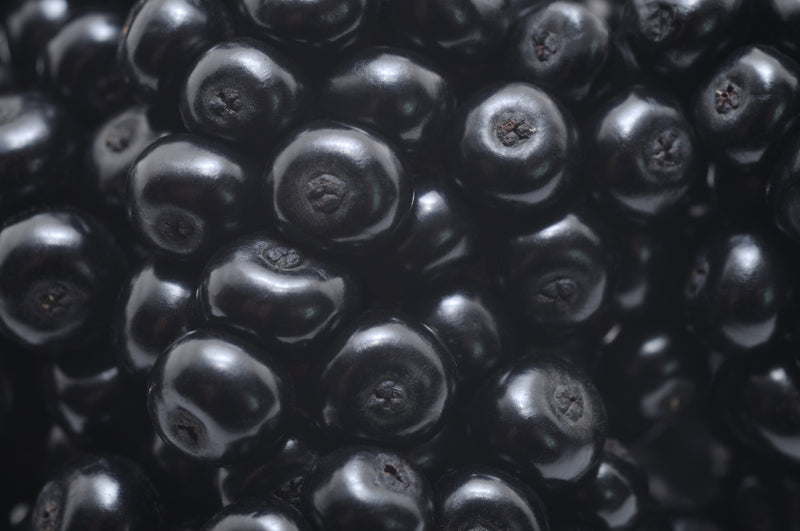
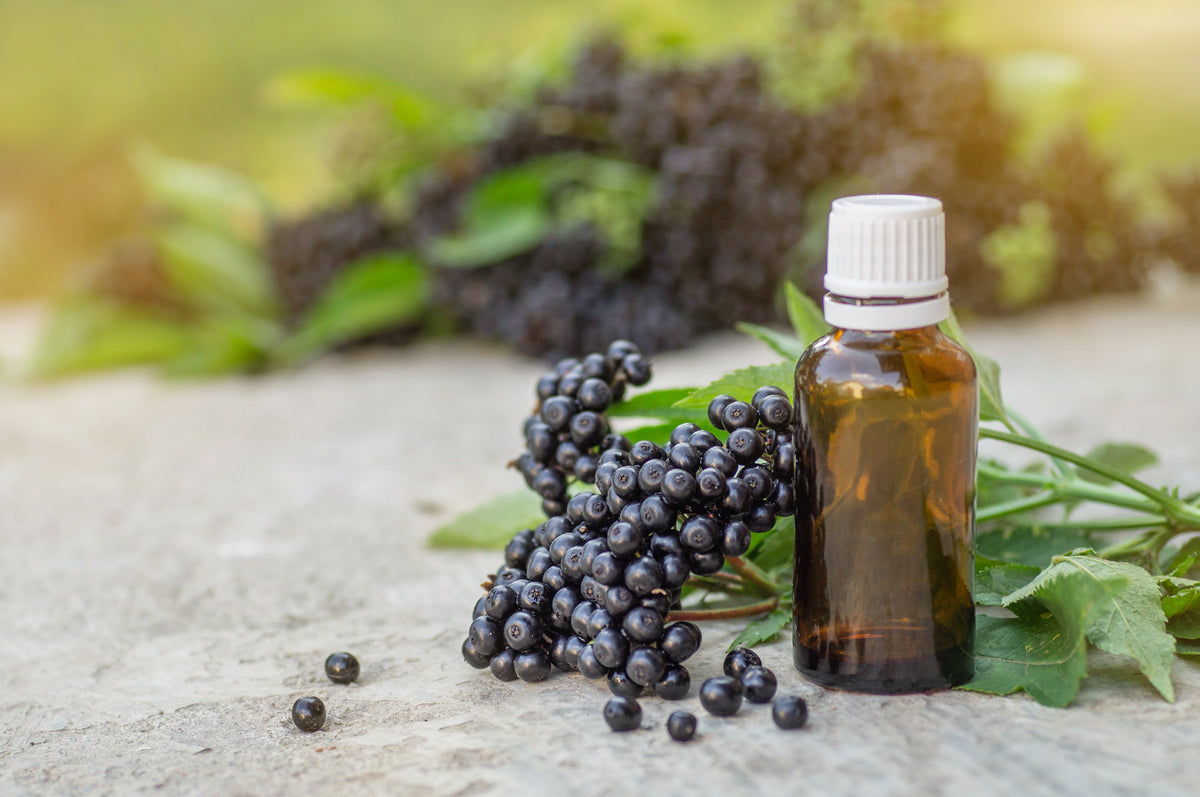
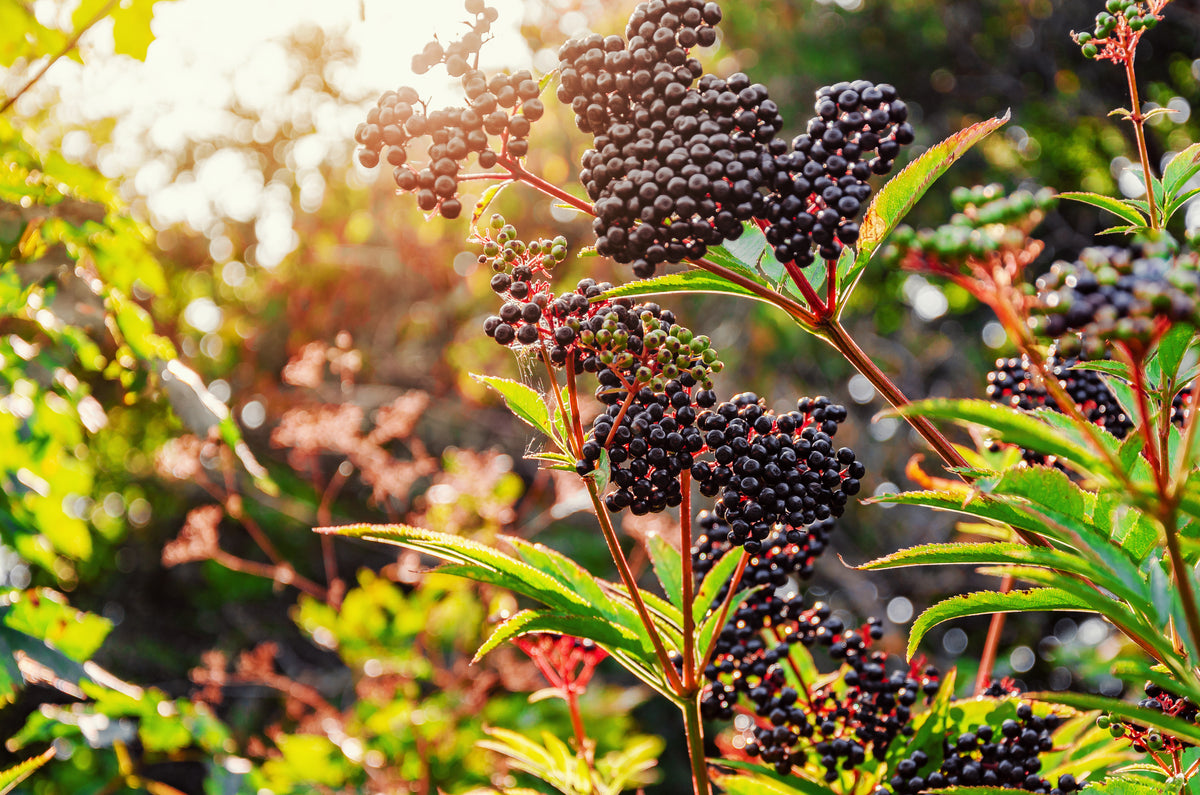
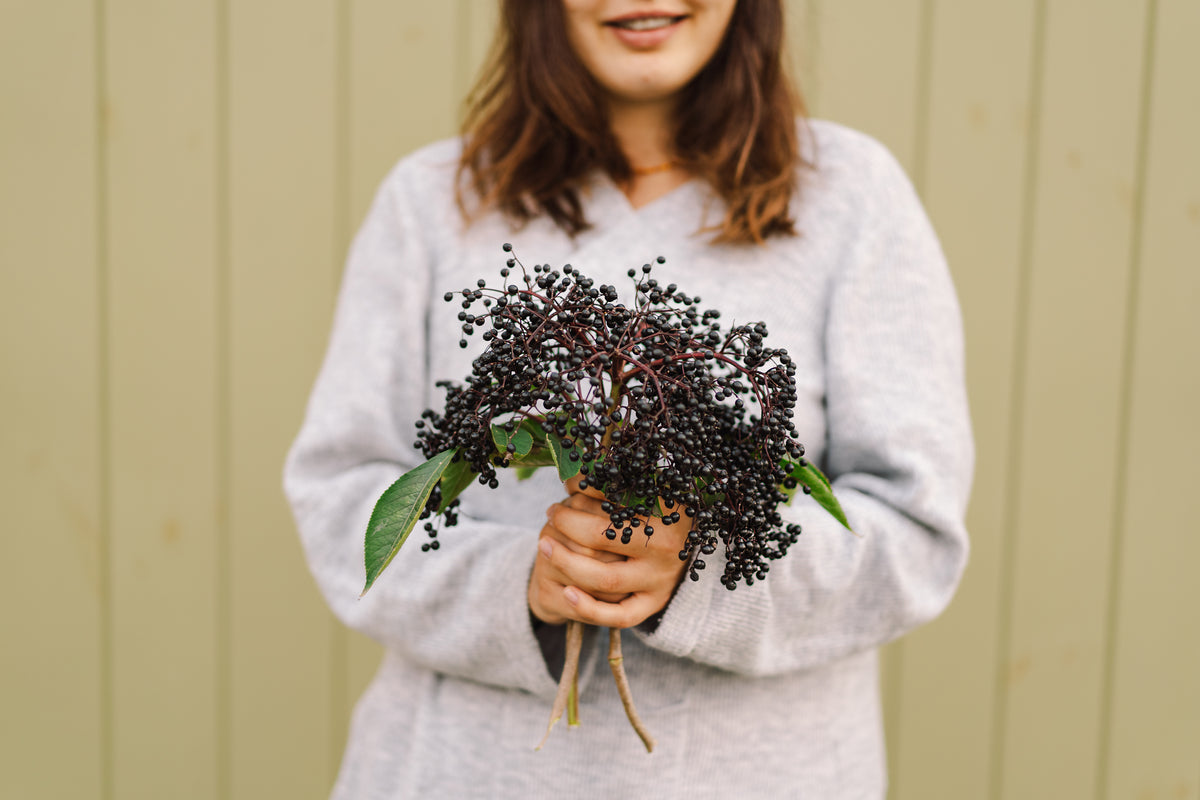
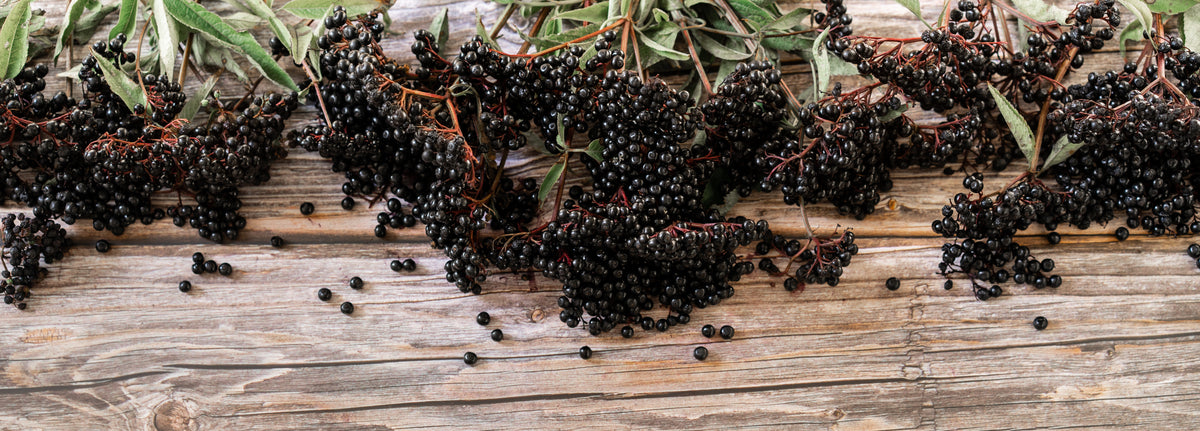
Elderberry is the deep-purple berry cluster from a fast-growing deciduous shrub with creamy flower umbels, native to Europe, Asia, and North America. Iconic in syrups, wines, and folk remedies, it bursts with antioxidants and a tart berry aroma. Within skincare is esteemed for its protective, brightening, and soothing skin profile
“The elder gives freely—flower, leaf, and berry alike.”
Benefits
Antioxidant Defender
Elderberry packs skincare punch with anthocyanins, flavonoids, vitamin C, and polyphenols delivering potent antioxidant, anti-inflammatory, and antimicrobial defence against UV damage, photoaging, and oxidative stress. These compounds brighten tone, heal irritation, preserve collagen, hydrate deeply, and calm for vibrant, resilient skin.
History
Folklore Healer
Elderberry's saga spans Hippocrates' 400 BCE "medicine chest" for colds and swelling, Dioscorides' ancient texts, to Indigenous American healers using it for fevers and wounds since 1300 BCE. Medieval Europe revered it as a purge and plague warder, evolving into today's anti-aging cosmetic star.
Cultivation
Hedgerow Hardy
Elderberry shrubs flourish in moist, fertile, well-drained soils with full sun to partial shade, tolerating wet winters and pruning for bushy growth. Plant suckering cuttings in spring; they fruit prolifically by year three, needing minimal care beyond bird netting and organic mulch in temperate zones.
Harvest & Extraction
Berry Peak
Ripe dark clusters are hand-picked post-frost in late summer for max anthocyanins, destemmed, then macerated and steam-distilled or solvent-extracted into vibrant juices, hydrolats, or concentrates capturing the berries' protective volatiles for potent skincare.